
Jeremy Gray
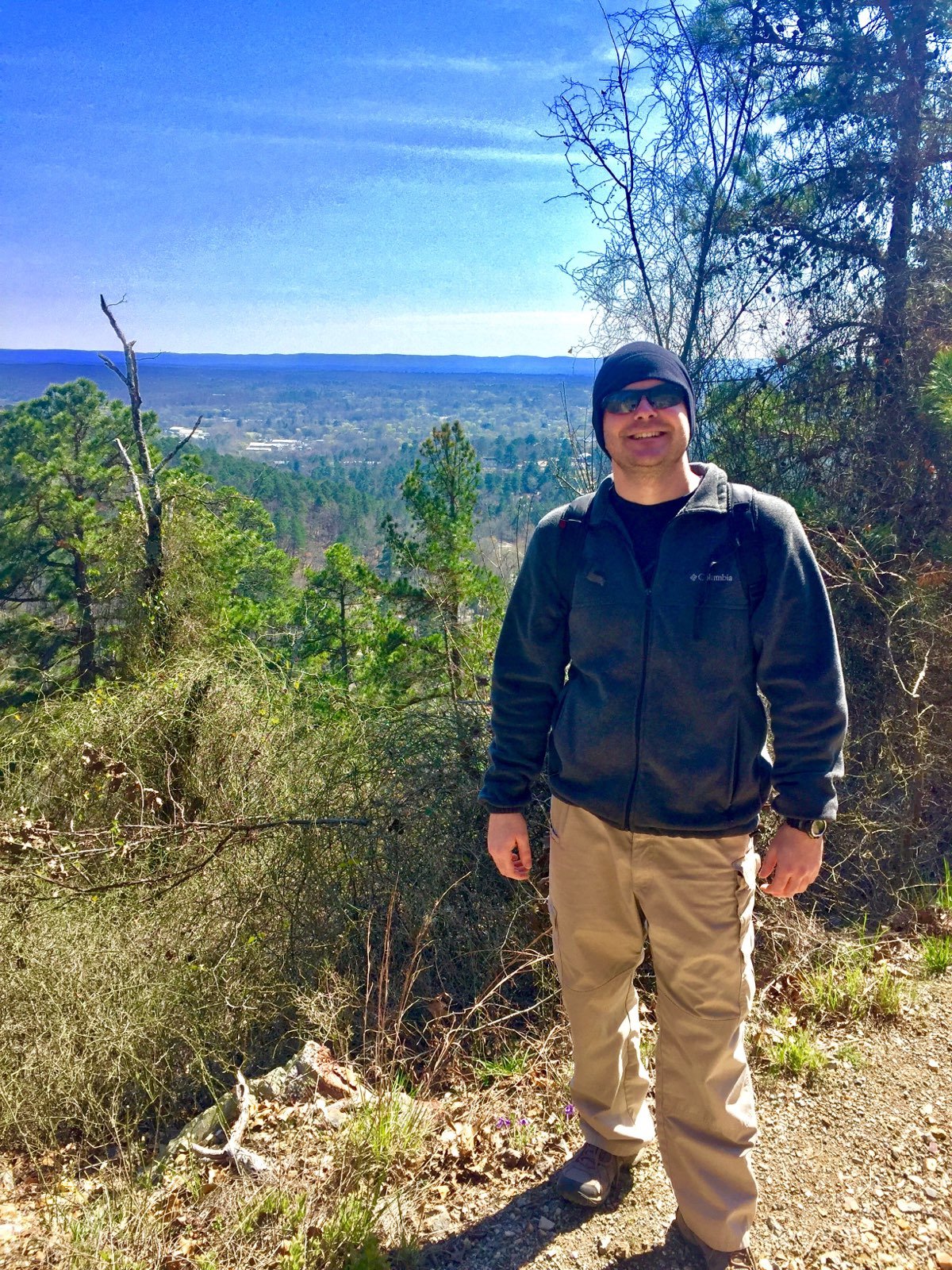
I began my tactical career when I was 17 years old. I joined the United States Air Force and I was stationed in the United Kingdom. Once there I began exploring my love for Brazilian Jiu-Jitsu and mixed martial arts. The Air Force taught me the fundamentals of leadership, firearms manipulation, combat medical training, and much more. In 2009, I forward deployed in support of Operation Enduring Freedom. I served honorably for six years until I was diagnosed with an autoimmune disease. After my military career ended I followed my lifelong dream to become a Kansas law enforcement officer. I served as a patrol officer until I transferred into a small team designed to investigate street-level narcotics. This team is also responsible for serving narcotics search warrants and high-risk vehicle encounters. Almost immediately I was placed as a shield operator for the team. I had trouble finding quality ballistic shield training that adequately prepared me to use the shield in a team setting. The majority of the offered shield training revolved around shooting behind the shield and with less emphasis on moving with the shield in confined spaces. After attending several out-of-state training I started to notice that other departments didn’t lack the funding to purchase shields but lacked adequate training on how to incorporate them into a team atmosphere. I’m also fortunate to be on a Kansas law enforcement SWAT team and in that capacity, I serve as a ballistic shield operator. I’ve created my ballistic shield curriculum through thousands of hours of training, hundreds of tactical entries, deployments on high-risk vehicle car stops, and deployments on barricaded subjects. Throughout my career, I've heard several members of tactical teams declare ballistic shields are more trouble than they're worth. The critics will say the shield is too heavy, bulky, and requires too much training to use. Technology has improved the capabilities of ballistic shields and made them smaller, stronger, and most importantly lighter. Gray Matter Solutions will prove that shields are a force multiplier when used correctly and can be an asset to any team.
Tanner Kriss

My tactical career began in high school sports, specifically wrestling and football. I was an undefeated, national ranked, state champion wrestler and an all-state defensive linebacker, leading the state with tackles. My high school continues the Tanner Kriss Lifter of the Year award which is given to the individual who exhibits the most discipline, effort, and insatiable desire to achieve their goals every year. I then furthered my wrestling career at the collegiate level becoming a Big Ten academic all-American, an NCAA All-American, and was inducted into the Kansas Hall of Fame as the 2014 Kansas Collegiate Wrestler of the Year. I also given the award of Hardest Worker Award and the Most Inspirational Athlete, I then continued my wrestling conducting self sponsored personal wrestling workshops throughout the state. My studies continued to earn a master's in education to further my ability as an instructor. After obtaining my masters, I became a Wichita Police Department Officer in 2017. I quickly joined the Special Investigations Bureau which was a tactical and narcotic resource for the department and earned a spot as the lead Bunker Cover position. After gaining experience withWarrants, I then joined a Kansas law enforcement SWAT team where I was the lead breacher. Gaining experience in both narcotic and hostage rescue opened my eyes to the need for a bunker specific training that assists potential bunkers with the knowledge that can ultimately aid in the team survival. Being from a wrestler and football background, I reference the team mentality and the ability to be systematic and thoughtful to the approach of entries and hostage rescue, My past experience assists in mindful tactical decision making, close quarter bunker cover combat, and tactical situational awareness. I take the wrestler mentality when dealing with close quarter hostage situations.
Adam Ward
.jpeg)
My tactical career started in 2013 when I joined the United States Army. I quickly learned about the elements of teamwork, communication, and leadership. I later deployed to Syria, leading a group of 20 Soldiers doing high-threat security in an austere environment. During this deployment I trained in Hostage rescue tactics with various federal law enforcement and military agencies. In 2016 I began my career as a Law Enforcement officer in the state of Kansas. I served as a patrol officer for 5 years, during my time on the street, I was often handed a ballistic shield by a supervisor and instructed to just ‘figure it out.’ I later joined a small team tasked with street level narcotics crimes. This team was responsible for conducting narcotics search warrants. On this team I quickly gained experience in the Shield cover position, making numerous tactical entries running as shield cover. Concurrently, I serve on a SWAT team in the state of Kansas; where I serve primarily as a breacher.